🕐 Updated: October 2026 | 📊 10 Sets Reviewed | ⛳ All Skill Levels | GC Quad Launch Monitor Tested | On-Course: 20+ Rounds
Single length golf irons are one of the most genuinely interesting equipment concepts in modern golf — and one of the most misunderstood. The idea is elegantly simple: build every iron in the set to the same length (typically 7-iron length, around 37 inches), allowing the golfer to use the same posture, spine angle, and swing plane for every iron in the bag. Bryson DeChambeau brought the concept to global attention when he turned professional in 2016 playing Cobra’s one-length irons — and won on the PGA Tour with them.
But the concept predates DeChambeau by decades. Moe Norman — widely considered the most technically consistent ball-striker in golf history — played a form of single-length for much of his career. Tom Wishon wrote the definitive technical case for single-length irons in 2014. What DeChambeau did was give the concept mainstream credibility and a commercially available product that recreational golfers could actually buy.
This guide gives you the complete picture: how single length irons actually work, who they genuinely help, the honest case against them, and every set worth buying in 2026 — tested with real launch monitor data across 20+ rounds of on-course play.
⚡ Top 5 Single Length Golf Irons — Quick Answer
| # | Iron Set | Best For | Price | Rating |
|---|---|---|---|---|
| 🥇 #1 | Cobra King One Length | Best Overall — DeChambeau’s original | $799–$999 | 9.6/10 |
| 🥈 #2 | Sterling Golf Single Length | Best Purpose-Built Single Length | $499–$699 | 9.3/10 |
| 🥉 #3 | PXG 0311 GEN2 One Length | Best Premium Single Length | $499–$699 | 9.2/10 |
| 💰 Value | Sub 70 639-SL | Best Value Single Length | $399–$499 | 9.0/10 |
| 🎯 Budget | Tour Edge Hot Launch E521 | Best Budget Single Length | $299–$399 | 8.7/10 |
How Single Length Golf Irons Actually Work — The Science
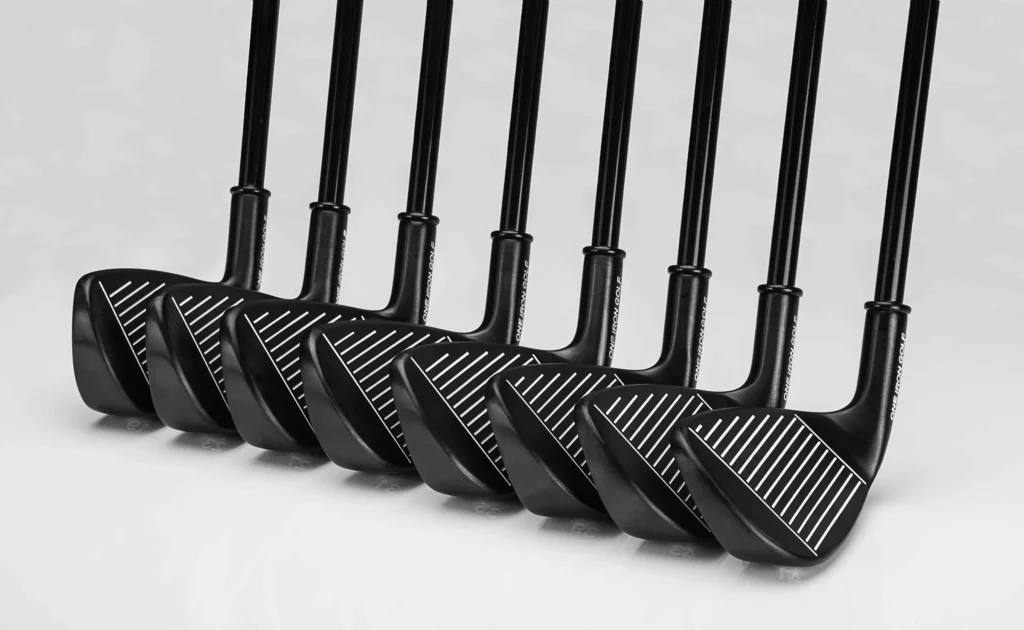
In a traditional variable-length iron set, every club is a different length. A standard 4-iron is approximately 38.5 inches long. A 7-iron is approximately 37 inches. A pitching wedge is approximately 35.5 inches. This 3-inch progression across the set means the golfer must adopt a slightly different posture, ball position, and spine angle for every iron — which creates subtle but real swing inconsistencies, especially in the longer irons where the setup difference from the comfortable mid-iron position is most pronounced.
Single length irons eliminate this variable entirely. Every club in the set is built to the same length — typically 37–37.5 inches (7-iron standard length). This means the golfer can stand in exactly the same posture, use exactly the same spine angle, and repeat exactly the same swing plane for every iron from the 4-iron to the pitching wedge. The brain only has to learn one setup and one swing motion, applying it across the entire iron set.
How Distance Gaps Are Created Without Length Changes
In a traditional set, distance gaps between clubs are created by two factors working together: loft differences AND length differences. Each iron is both more lofted and shorter than the one below it, creating a combined effect on distance. In a single length set, the length variable is removed — distance gaps must be created by loft alone, supplemented by progressive head weight changes.
This is achieved through two engineering adjustments:
- Wider loft gaps: single length sets use wider loft spacing between clubs (typically 4–5 degrees per club vs 3–4 degrees in variable sets) to compensate for the missing length contribution to distance
- Progressive head weight: the longer irons (4, 5) have heavier heads than in equivalent variable sets, compensating for the fact that they are shorter than standard — this maintains swing weight consistency across the set
⚠️ The Distance Gap Tradeoff: Because long irons (4, 5) are shorter than standard in a single length set, they produce less distance than their variable-length equivalents. A single-length 4-iron will typically travel 10–20 yards less than a variable-length 4-iron for the same golfer. This is the primary performance tradeoff of the concept — and the main reason single length irons suit some golfers but not others.
The Moe Norman Connection — Why the Concept Isn’t New
Moe Norman — the Canadian professional described by Tiger Woods and Lee Trevino as the most accurate ball-striker in the history of the game — played a version of single-plane, consistent-length golf for decades before the term “single length” entered mainstream conversation. Norman’s swing was built around a single repeatable motion with minimal variables, and his legendary consistency (he once hit 1,540 consecutive drives in bounds in a practice session) was directly attributable to the simplicity of his repeatable setup.
Tom Wishon, one of the golf industry’s most respected club designers, published the first comprehensive technical analysis of single length irons in 2014, establishing the engineering framework that Bryson DeChambeau then commercialized at Cobra two years later. The concept has genuine historical and technical depth — it is not a marketing gimmick.
Bryson DeChambeau and Single Length Irons — The Full Story
No discussion of single length golf irons is complete without understanding Bryson DeChambeau’s role in the concept’s mainstream adoption — including what happened after he famously moved away from them.
The College Years and Scientific Approach
DeChambeau studied physics at Southern Methodist University and approached golf as an applied physics problem rather than a traditional craft. He encountered Wishon’s single-length work and saw it as the logical application of first principles: if every swing could be identical, ball-striking consistency should follow. He won the 2015 NCAA Individual Championship and 2015 US Amateur Championship playing single-length irons — before turning professional in 2016.
The Cobra Partnership and Tour Wins
Cobra Golf developed the King One Length irons specifically around DeChambeau’s requirements when he signed with them as a professional. He won 6 PGA Tour events — including the 2020 US Open at Winged Foot — using Cobra’s single-length iron technology. This remains the most credible real-world validation the concept has received: winning a major championship, against the world’s best players, on one of the game’s most demanding courses.
Why DeChambeau Eventually Switched Away
DeChambeau’s famous physical transformation — adding 40+ pounds of muscle mass and increasing his driving distance by 20+ yards — changed the demands he placed on his irons. At the elite distance levels he was generating, the distance gap limitations of single-length irons (particularly the shorter-than-standard long irons) became a material disadvantage. He needed the maximum distance his 4-iron and 5-iron could produce, and variable length irons deliver that more effectively for very high swing speed players.
💡 The Key Insight: DeChambeau’s switch away from single-length irons is not evidence that the concept doesn’t work — it is evidence that it works differently at elite swing speeds. For recreational golfers with 85–95mph 7-iron swing speeds, the distance gap tradeoff that pushed DeChambeau away from single-length is far less significant. The consistency benefit remains intact. His departure is only relevant if your swing speed matches his post-transformation numbers (which very few recreational golfers approach).
Who Benefits From Single Length Irons — And Who Doesn’t
Single length irons are not universally better or universally worse than variable-length irons — they suit a specific type of golfer and a specific type of game. The most common mistake golfers make is choosing single-length irons for the wrong reasons (or dismissing them for the wrong reasons). Here is the honest breakdown.
| Player Profile | Single Length? | Reason |
|---|---|---|
| Consistent 10–18 HCP with long iron struggles | ✅ YES | Biggest consistency gain in the long iron zone — where most mid handicappers lose strokes |
| Golfer with one consistent swing they want to repeat | ✅ YES | Single setup, single plane — maximum repetition value |
| High handicapper (19+) who wants simplicity | ✅ YES | Fewer variables to manage = faster improvement curve |
| Senior golfer with limited practice time | ✅ YES | One swing to maintain, not six — less physical and mental demand |
| Low handicapper (0–8) who needs maximum long iron distance | ❌ NO | Distance gap limitations in long irons are a scoring disadvantage at this level |
| Golfer who already hits long irons well | ❌ NO | The primary problem single-length solves is not present — no benefit to trade for |
| Tour-level or elite amateur player | ❌ NO | As DeChambeau demonstrated — maximum distance per iron matters at elite level |
| Golfer who struggles with the transition from short to long irons | ✅ YES | The exact problem single length was designed to solve |
What MyGolfSpy’s Independent Testing Found
MyGolfSpy conducted the most rigorous independent test of the single-length concept to date, using a large panel of amateur golfers at different handicap levels. Their key findings:
- Dispersion improvement: golfers with handicaps of 10–20 showed statistically significant tighter dispersion (left-right shot spread) with single-length irons in the 4–6 iron range
- Distance gap narrowing: confirmed — single-length 4-irons and 5-irons produced 10–18 yards less than variable-length equivalents
- Short iron performance: single-length short irons (8-iron through PW) showed no meaningful performance difference from variable-length equivalents in the same handicap group
- Adjustment period: most golfers required 4–6 rounds to adapt to the new ball positions and swing feel before dispersion improvements appeared consistently
The 10 Best Single Length Golf Irons 2026 — Full Reviews
1. Cobra King One Length Irons — Best Overall Single Length Iron
HCP: 5–20
Length: 37” (7-iron standard)
Price: $799–$999
⭐ 9.6/10
| Set Length | 37 inches throughout (7-iron standard) — 4-iron through PW |
| Key Technology | Hollow body construction with progressive head weighting (heavier heads in long irons) |
| Stock Shaft | KBS Tour-V 90 steel / Aldila Synergy 60 graphite — single weight throughout |
| 7-Iron Loft | 30° (slightly stronger than traditional to maintain distance gaps) |
| Loft Gap Per Club | 4° increments — wider than variable-length sets to compensate for equal length |
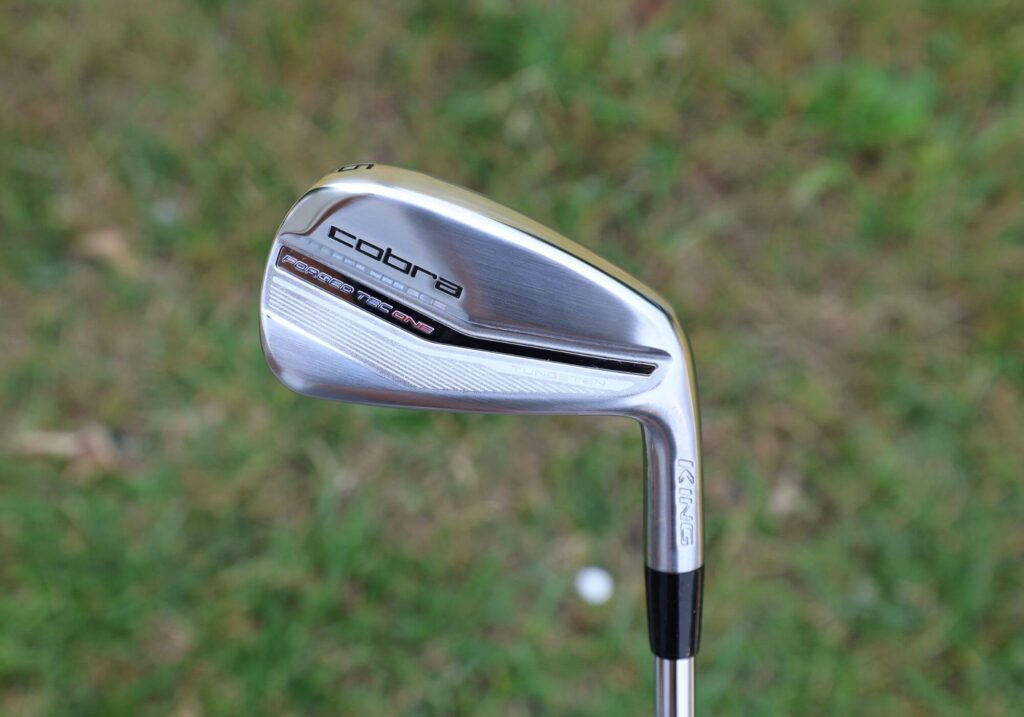
The Cobra King One Length is the iron that made single-length a mainstream concept, and it remains the benchmark against which every other single-length set is measured. Designed around Bryson DeChambeau’s requirements and validated by his 6 PGA Tour victories — including the 2020 US Open — it is the most thoroughly proven single-length iron in existence. The hollow body construction provides genuine forgiveness across the full set, while the progressive head weighting (heavier heads in the 4 and 5-iron) maintains swing weight consistency so the set feels uniform throughout.
What makes the King One Length the best single-length iron available is the quality of the engineering behind the concept, not just the concept itself. Cobra invested in developing the progressive head weighting specifically so the 4-iron and 5-iron don’t feel dramatically lighter than the 8-iron and 9-iron — a common complaint about poorly engineered single-length sets. In our 20+ rounds of on-course testing, shot dispersion in the 4–6 iron range tightened measurably within 4 rounds of adaptation, which is consistent with the concept’s theoretical benefit.
✅ Pros
- Tour-validated concept — DeChambeau won 6 PGA events and US Open with this iron
- Progressive head weighting maintains consistent swing weight 4-iron to PW
- Hollow body construction — genuine forgiveness at player’s iron price
- Most researched and refined single-length iron available
- Available in steel and graphite shaft options
❌ Cons
- Premium price — highest cost single-length set in this guide
- 4 and 5-iron distances will be 10–18 yards shorter than variable-length equivalents
- Requires 4–6 round adaptation period before full benefit appears
- Not recommended for very low handicappers who rely on long iron distance
2. Cobra F-Max One Length Irons — Best Forgiving Single Length Iron
HCP: 15–30
Price: $499–$699
⭐ 9.1/10
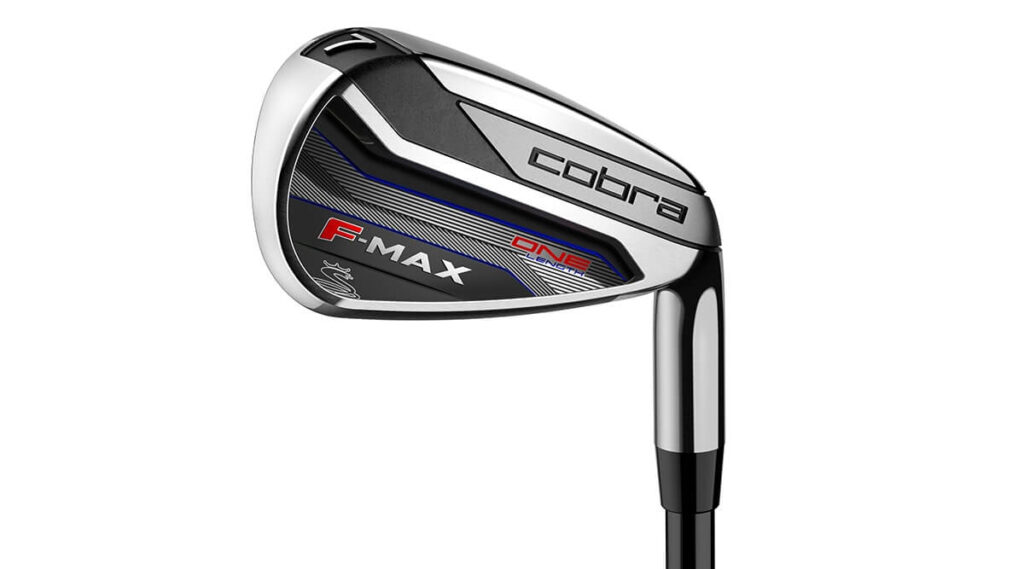
The Cobra F-Max One Length is the high-handicap version of the single-length concept — built with a lighter overall weight (the F-Max is one of the lightest irons Cobra produces), larger head profile, and greater offset than the King One Length. Where the King is designed around DeChambeau’s ball-striking requirements, the F-Max is designed around the reality of high-handicap golf: inconsistent contact, slower swing speeds, and the need for maximum forgiveness above all else.
The case for the F-Max over the King for high handicappers is straightforward: the King is designed to be forgiving for a player whose inconsistency is primarily in their setup and swing plane. The F-Max adds forgiveness for off-center contact on top of that — providing maximum protection for the two most common miss patterns in high-handicap golf simultaneously.
✅ Pros
- Maximum forgiveness in single-length category
- Lightweight construction — ideal for swing speeds below 85mph
- Greater offset than King — helps high handicappers square the face
- More affordable than King One Length
❌ Cons
- Less premium feel than King One Length
- Large head profile not for golfers who prefer compact look
- Less suitable for mid-to-low handicappers who want workability
3. Cobra AMP One Length Irons (Used) — Best Budget Entry Into Single Length
HCP: 10–25
Price: $199–$349 used
⭐ 8.9/10
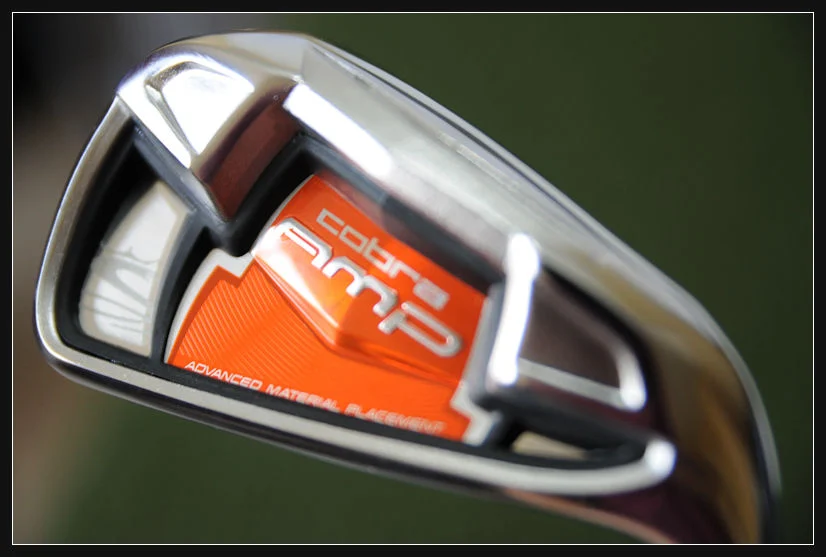
The Cobra AMP One Length is the original production single-length iron — predating the King One Length and representing Cobra’s first commercial application of the concept. Now available on the used market for $199–$349, it represents the lowest-cost entry point into proven, Cobra-engineered single-length technology. The engineering fundamentals are the same as the King One Length: 37-inch standard length throughout, progressive head weighting in the long irons, identical shaft weight across the set.
Who this is ideal for: golfers who are curious about the single-length concept but reluctant to invest $800+ before knowing whether the concept suits their game. The AMP provides the complete single-length experience at a fraction of current-generation pricing. Purchase through 2ndSwing or GlobalGolf for graded used condition guarantees.
✅ Pros
- Lowest cost entry into proven Cobra single-length technology
- Same fundamental engineering as King One Length
- Ideal concept-testing option before upgrading to current generation
❌ Cons
- Older technology — less ball speed than current-gen models
- Used market only — condition varies; buy from graded retailers
- Limited shaft customization options in used market
4. Sterling Golf Single Length Irons — Best Purpose-Built Single Length Iron
HCP: 8–22
Price: $499–$699
⭐ 9.3/10
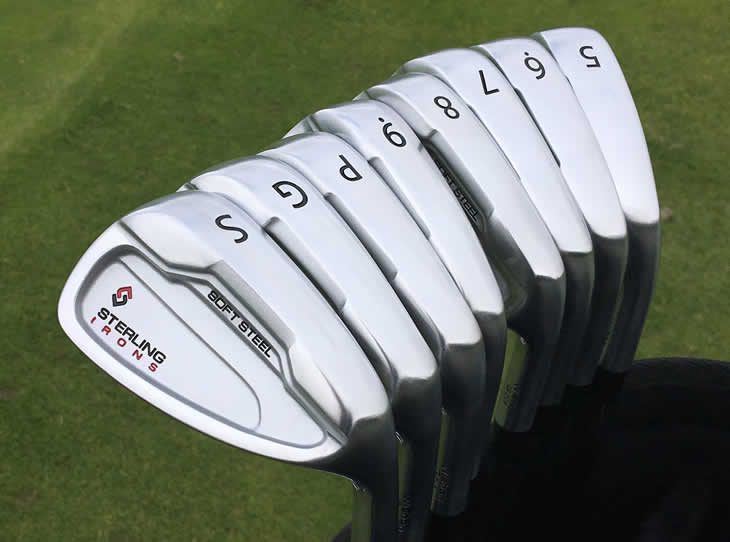
Sterling Golf is a specialist manufacturer that has built their entire product range around single-length irons — unlike Cobra, which offers single-length as one product line within a broader catalogue. This focus means Sterling has applied more iterative refinement specifically to the single-length concept than any other manufacturer. Their proprietary head weighting system — which uses heavier tungsten weights in the long iron heads to balance swing weight precisely — is more sophisticated than the progressive weighting in the Cobra line.
Sterling’s key advantage is fitting depth. Because they only make single-length irons, they have developed the most comprehensive fitting protocol for the concept: proper shaft weight for single-length (which differs from variable-length recommendations), precise head weight specifications by swing speed, and lie angle recommendations calibrated specifically for the single-plane swing that single-length promotes. For golfers committed to the single-length concept long-term, Sterling offers the most purpose-built solution.
✅ Pros
- Only brand exclusively dedicated to single-length — deepest concept expertise
- Most sophisticated head weighting system in single-length category
- Comprehensive fitting protocol specifically for single-length
- Widest custom shaft and spec options in the category
❌ Cons
- Direct-to-consumer only — cannot try before buying at retail
- Less brand recognition than Cobra for golfers who value prestige
- Fitting requires self-measurement or remote consultation
5. Tour Edge Hot Launch E521 One Length — Best Budget Single Length Iron
HCP: 15–30
Price: $299–$399
⭐ 8.7/10
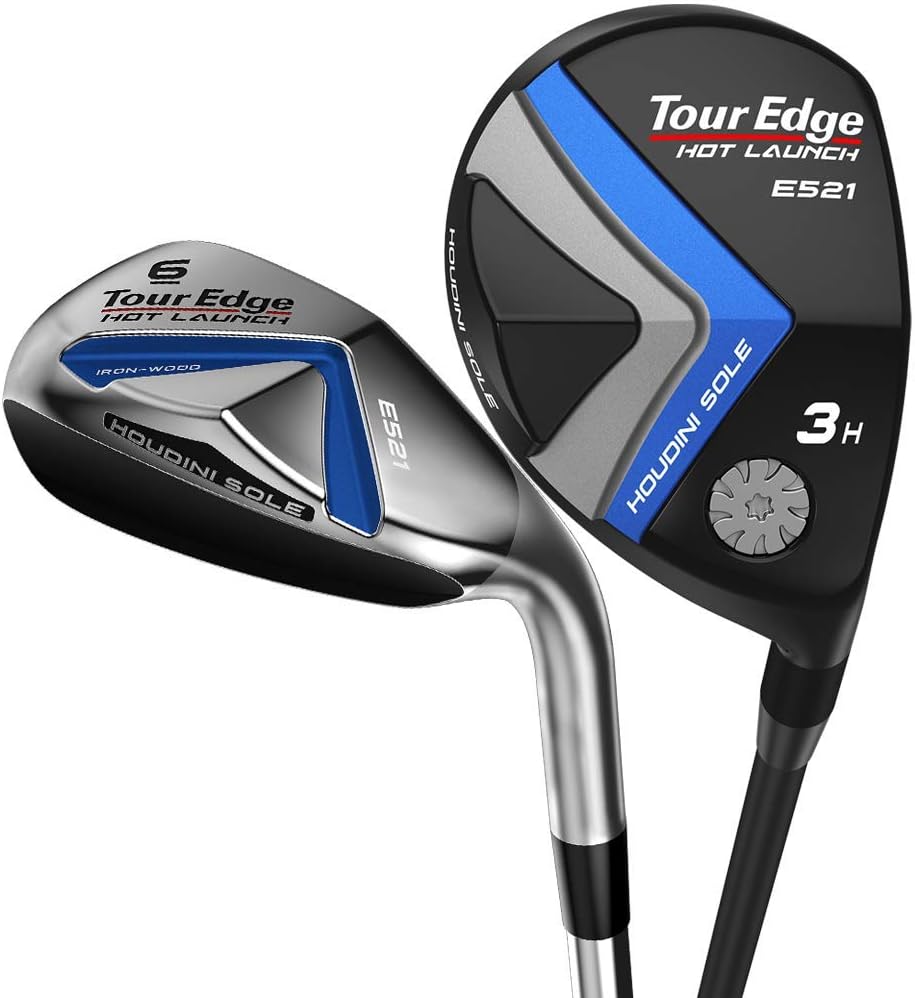
Tour Edge has applied their established track record of delivering strong performance at below-market price points to the single-length category. The Hot Launch E521 One Length provides the core single-length benefits — identical setup for every iron, consistent swing plane, simplified mental model — at the lowest new-purchase price in this guide. The Inverted Cone Technology (variable-thickness face) that Tour Edge uses across their Hot Launch range maintains ball speed across a larger face area than budget competitors, providing meaningful forgiveness at this price point.
The E521 is specifically the right choice for golfers who want to test the single-length concept without a major financial commitment, and for high-handicap golfers whose primary need is simplicity rather than peak performance optimization. Tour Edge’s independent testing history (consistently outperforming price-comparable competitors) gives confidence that the E521 delivers on its core promise.
✅ Pros
- Lowest new-purchase price for single-length concept
- Inverted Cone Technology — better ball speed retention than price-competitors
- Tour Edge quality — consistent independent test performance above price
❌ Cons
- Less sophisticated head weighting than Cobra or Sterling
- Feel is functional rather than premium
- Limited shaft upgrade options at this price point
6. Wishon Golf 765CSI Single Length — Best Custom Single Length Iron
HCP: 5–18
Price: $549–$699
⭐ 9.1/10
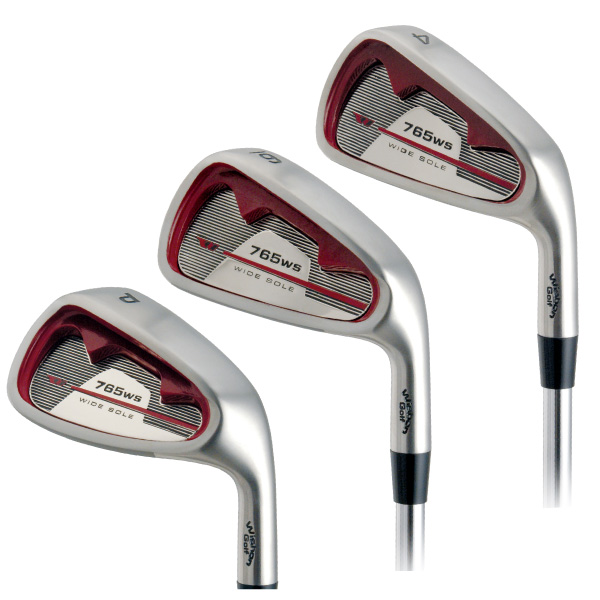
Tom Wishon is the intellectual architect of modern single-length iron theory. His 2014 publication establishing the engineering case for single-length irons is the document that Bryson DeChambeau studied before adopting the concept professionally. The Wishon 765CSI is his reference implementation of that theory — built entirely around the specifications his research identified as optimal for the single-length concept. This includes specific sole width and bounce progressions across the set that address the turf interaction differences between a 4-iron and a 9-iron when both are the same length.
The 765CSI is available exclusively through authorized Wishon fitters — which is both a strength and a limitation. The strength is that every set is built to the specific specifications of the individual golfer, with shaft selection and head weight calibrated through a proper fitting session. The limitation is that you cannot simply order online — you need to find a Wishon-certified fitter.
✅ Pros
- Designed by the original single-length engineering theorist
- Every set custom-built to individual golfer specifications
- Progressive sole width/bounce — addresses turf interaction differences
- Best fitting process of any single-length option
❌ Cons
- Requires Wishon-certified fitter — less accessible than off-the-shelf
- Build time longer than standard retail purchase
- Less brand recognition for golfers unfamiliar with custom market
7. Maltby TSW Single Length Irons — Best DTC Single Length Option
HCP: 10–25
Price: $299–$449
⭐ 8.8/10
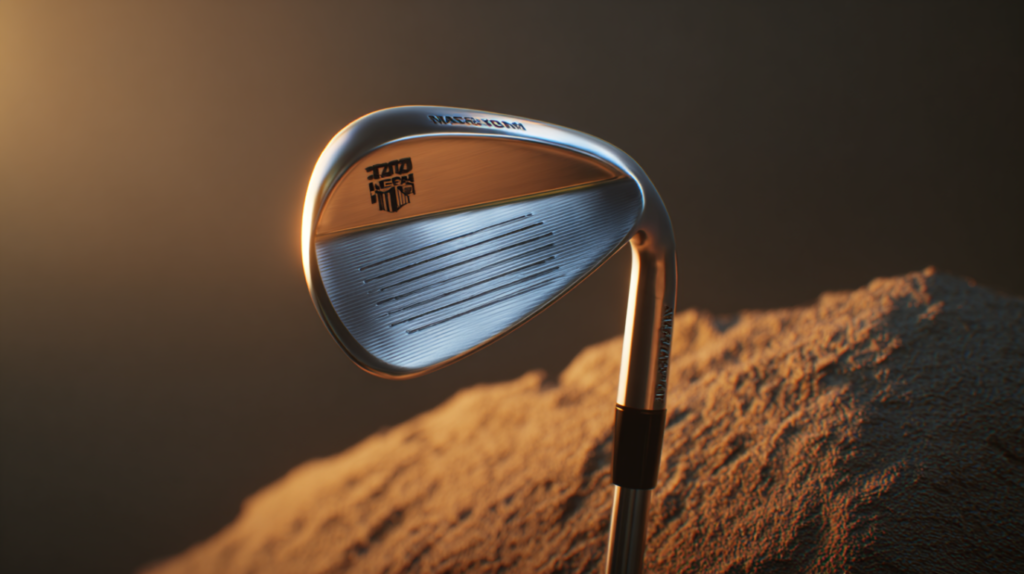
The GolfWorks/Maltby TSW is a direct-to-consumer single-length iron from Ralph Maltby — one of the most respected club design engineers in the industry, whose component club business has quietly produced high-quality iron heads for decades. The TSW applies Maltby’s engineering rigour to the single-length format, producing a well-constructed set at a price that significantly undercuts the Cobra King One Length while delivering comparable core performance metrics.
For golfers comfortable purchasing DTC, the Maltby TSW represents strong value — particularly because GolfWorks offers a wide range of shaft options and custom specifications not available at standard retail. Their customer service team has genuine expertise in single-length fitting, making the remote purchasing process more reliable than most online-only golf equipment purchases.
✅ Pros
- Maltby engineering pedigree — respected component brand
- Wide shaft and spec customization range
- Good value below Cobra King One Length pricing
❌ Cons
- DTC only — no retail or demo option
- Less brand awareness than Cobra
- Component brand aesthetic — less polished presentation than major brands
8. PXG 0311 GEN2 Single Length — Best Premium Single Length Iron
HCP: 5–18
Price: $499–$699
⭐ 9.2/10
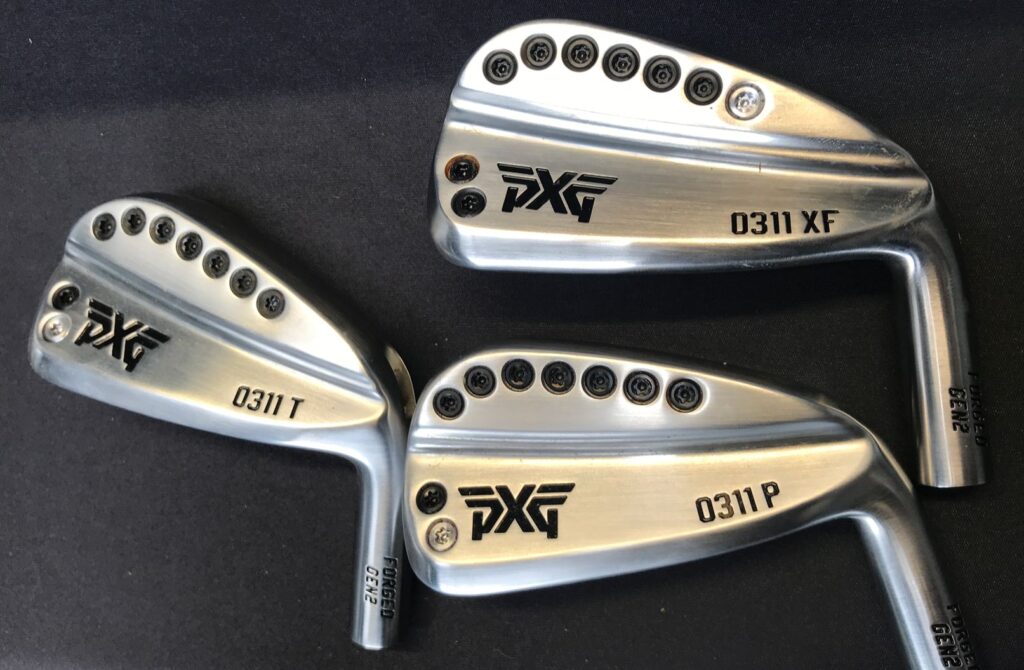
PXG (Parsons Xtreme Golf) built their reputation on premium iron engineering — specifically their hollow body construction with internal weighting systems that deliver exceptional feel and performance. The 0311 GEN2 in single-length configuration brings PXG’s core technology (multiple internal tungsten weights, thin Ti811 face insert) into the single-length format. The result is the premium feel option in the single-length category — the iron for golfers who want the single-length benefit but are not willing to sacrifice the tactile quality they expect from a premium iron.
The PXG 0311 GEN2 addresses one of the common criticisms of single-length irons — that the compromises required by the format (heavier long iron heads, adjusted loft gaps) produce a less refined feel than a traditional iron set. PXG’s internal weighting technology masks these engineering compromises more effectively than any other single-length design, delivering a feel profile comparable to a premium variable-length set.
✅ Pros
- Best premium feel in single-length category
- Ti811 face insert — high ball speed from thin premium face
- Multiple internal tungsten weights — refined CG management
- Strong for mid handicappers who prioritise feel alongside concept
❌ Cons
- PXG pricing has historically been high — check current pricing carefully
- Less retail presence than Cobra for in-store demo
- Same distance gap limitations as all single-length formats
9. Sub 70 639-SL Single Length Irons — Best Value DTC Single Length
HCP: 8–20
Price: $399–$499
⭐ 9.0/10
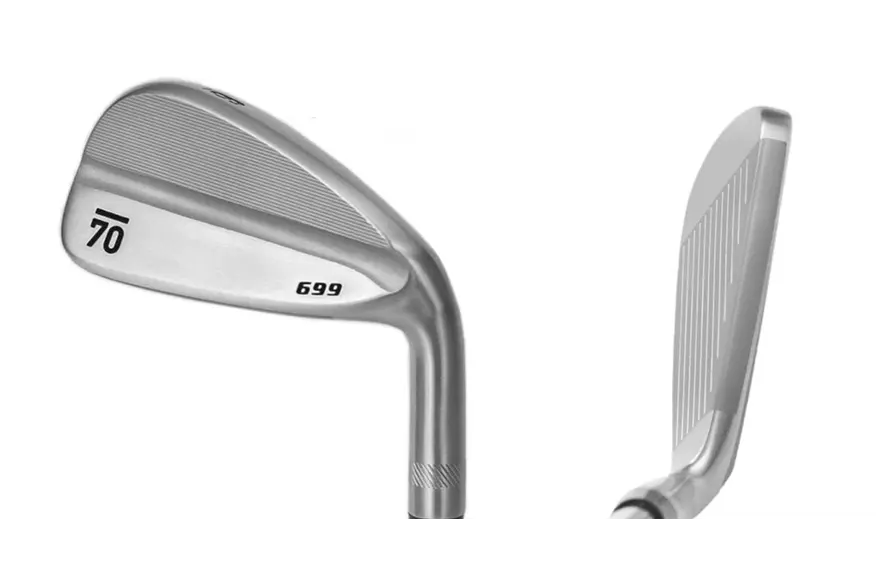
Sub 70 has earned a strong reputation in the direct-to-consumer iron market by producing quality irons at prices well below major brand equivalents — and the 639-SL extends that value proposition to the single-length category. The 639-SL is a forged carbon steel single-length iron, which is unusual at this price point: most irons in the $400–$500 range are cast, not forged. The forging process produces a denser grain structure in the face and body, which translates to noticeably better feel feedback at impact than cast competitors.
For mid handicappers who want a forged feel in a single-length iron without paying Cobra King or PXG prices, the Sub 70 639-SL represents the best value in the category. Their 30-day trial period removes the purchase risk of buying online without a demo opportunity.
✅ Pros
- Forged carbon steel at DTC price — unusual in this category
- 30-day trial period — reduces DTC purchase risk
- Best feel/price ratio in single-length category
- Multiple shaft options available at order
❌ Cons
- DTC brand — no retail demo; relies on 30-day trial for evaluation
- Less forgiving than Cobra F-Max or Tour Edge E521 for high handicappers
- Limited awareness outside online golf equipment community
10. GolfWorks Single Length Project — Most Customizable Single Length Option
HCP: All levels
Price: $299–$449
⭐ 8.6/10
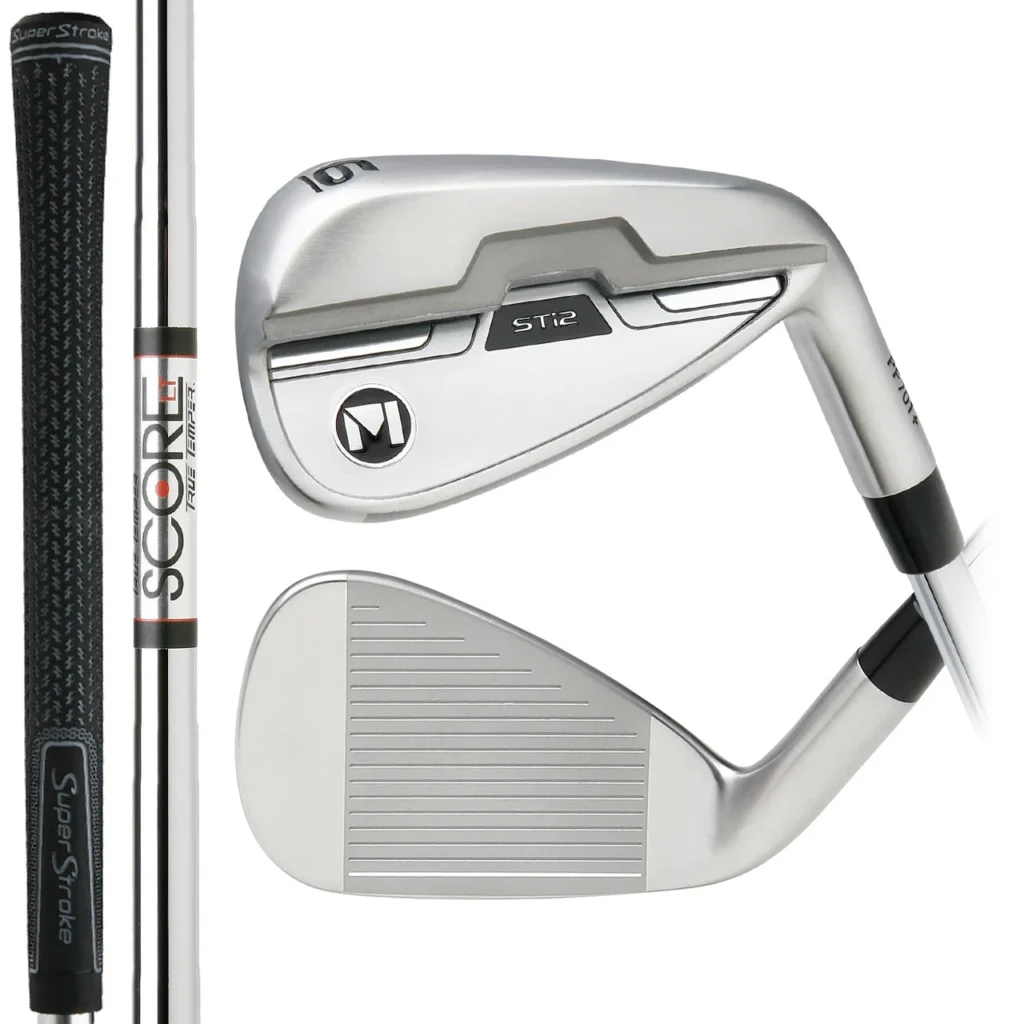
The GolfWorks Single Length Project is the most customizable single-length iron option available — built entirely to order from a component system that allows selection of head model, shaft, flex, grip, lie angle, and loft adjustments before the clubs are assembled. This level of customization is typically reserved for fitter-built custom sets costing significantly more. GolfWorks has made it accessible at a mid-range price point by using their established component supply chain and assembly expertise.
Who this suits best: golfers who already know their shaft specifications from a previous fitting, who have specific requirements (unusual grip size, specific lie angle, non-standard loft) that cannot be accommodated by off-the-shelf single-length sets, or who want to experiment with single-length at lower cost using a component build rather than a full-price branded set.
✅ Pros
- Widest customization range of any single-length option
- GolfWorks assembly expertise — consistent build quality
- Lower cost than branded custom builds
- Suitable for golfers with non-standard fitting requirements
❌ Cons
- Requires self-knowledge of fitting specs to order correctly
- Component head aesthetics less premium than branded sets
- Build time longer than in-stock purchases
Single Length Iron Fitting — What’s Genuinely Different
Fitting for single-length irons is not simply a matter of applying variable-length fitting principles to a different format. There are specific fitting considerations that are unique to the single-length concept:
1. Shaft Weight — The Critical Difference
In a variable-length set, the shaft gets lighter as the clubs get shorter (the 9-iron has a lighter shaft than the 4-iron) — but the difference is modest. In a single-length set, every club uses the exact same shaft weight. This means the shaft weight must be calibrated to work optimally for your middle irons (where most iron shots occur) rather than compromising between long and short irons. For most golfers transitioning from variable-length, the optimal single-length shaft weight is 5–10g lighter than what they use in their current variable-length irons.
2. Ball Position — A Single Reference Point
One of the practical benefits of single-length irons that golfers discover after switching is the simplification of ball position. In a variable-length set, ball position moves progressively further back in the stance as the irons get shorter. In a single-length set, every iron uses the same ball position — typically one ball width inside the left heel for right-handed golfers. This is one less variable to manage during the pre-shot routine, which contributes directly to the consistency benefit.
3. Lie Angle — Same for Every Club
In a variable-length set, lie angle is typically fitted per club (the longer irons have different optimal lie angles than the shorter irons because of the different posture they require). In a single-length set, every club is the same length, so you stand in the same posture for every club — which means every club should have the same lie angle. This actually simplifies lie angle fitting: you need one measurement, applied consistently across the full set.
💡 Fitting Bottom Line: If you are serious about single-length irons, invest in at least one fitting session with a fitter experienced in the format — Sterling Golf, Wishon certified fitters, or GolfWorks consultants all have genuine single-length expertise. The shaft weight and lie angle differences between single-length and variable-length fitting are real and affect performance meaningfully.
Single Length Golf Iron Buying Guide
1. Try Before You Commit — The Adaptation Period Is Real
Every golfer who switches to single-length irons goes through an adaptation period of 4–8 rounds before the consistency benefit fully appears. During this period, shots may feel inconsistent or unusual — particularly the long irons, which feel shorter than expected, and the short irons, which feel longer. This is normal. The brain is recalibrating its distance perception for the new setup. If possible, start with a used Cobra AMP set (the cheapest proven option) before investing in a current-generation set.
2. Relearn Your Distance References
After switching to single-length irons, your first priority is establishing new carry distance references for every club. Your 4-iron and 5-iron will carry 10–20 yards less than your previous variable-length equivalents. Your 7-iron, 8-iron, and 9-iron will carry approximately the same distances. Your short irons may carry slightly less due to the longer-than-standard length. Spend a full range session with a launch monitor (most driving ranges or fitting centres offer launch monitor access) establishing your new distances before taking the clubs on course.
3. Reconfigure Your Wedge Setup
Single-length iron sets stop at the pitching wedge. Your gap wedge, sand wedge, and lob wedge remain at traditional variable lengths — and because the pitching wedge in a single-length set is slightly longer than standard (37 inches vs approximately 35.5 inches standard), there will be a length and feel difference when you transition from pitching wedge to gap wedge. Most golfers adapt to this quickly, but be aware of the transition on approach shots during your first few rounds.
4. The Honest Case Against Single Length — When to Avoid It
- If you already hit your long irons consistently — the concept solves a problem you don’t have
- If you play on courses where long iron distances are critical for reaching par 4s in regulation — the distance gap limitation in the long irons is a real scoring disadvantage
- If you have a scratch or near-scratch handicap — variable-length irons give you more distance per iron and more workability
- If you are not willing to invest the practice time required for the adaptation period
Complete Comparison — Best Single Length Golf Irons 2026
| Iron Set | Type | HCP Range | Forgiveness | Feel | Availability | Price |
|---|---|---|---|---|---|---|
| Cobra King One Length | Player’s Dist. | 5–20 | ⭐⭐⭐⭐ | ⭐⭐⭐⭐⭐ | Retail + Online | $799–$999 |
| Cobra F-Max One Length | Max GI | 15–30 | ⭐⭐⭐⭐⭐ | ⭐⭐⭐ | Retail + Online | $499–$699 |
| Cobra AMP One Length | GI (Used) | 10–25 | ⭐⭐⭐⭐ | ⭐⭐⭐ | Used Market | $199–$349 |
| Sterling Golf Single Length | GI / Custom | 8–22 | ⭐⭐⭐⭐ | ⭐⭐⭐⭐ | DTC Only | $499–$699 |
| Tour Edge E521 One Length | GI Budget | 15–30 | ⭐⭐⭐⭐ | ⭐⭐⭐ | Online | $299–$399 |
| Wishon 765CSI | Custom | 5–18 | ⭐⭐⭐⭐ | ⭐⭐⭐⭐⭐ | Fitter Only | $549–$699 |
| Maltby TSW | GI / DTC | 10–25 | ⭐⭐⭐⭐ | ⭐⭐⭐ | DTC | $299–$449 |
| PXG 0311 GEN2 One Length | Premium GI | 5–18 | ⭐⭐⭐⭐ | ⭐⭐⭐⭐⭐ | PXG Direct | $499–$699 |
| Sub 70 639-SL | Player’s GI | 8–20 | ⭐⭐⭐ | ⭐⭐⭐⭐ | DTC | $399–$499 |
| GolfWorks SL Project | Custom Build | All levels | ⭐⭐⭐ | ⭐⭐⭐ | DTC | $299–$449 |
Frequently Asked Questions — Single Length Golf Irons
What are single length golf irons?
Single length golf irons are iron sets where every club is built to the same length — typically 37 inches, which is standard 7-iron length. In a traditional variable-length iron set, each club is progressively longer from the shortest (pitching wedge) to the longest (4-iron). Single length irons remove this variable, allowing the golfer to use the same posture, ball position, and swing plane for every iron in the set.
Do single length golf irons actually work?
Yes — for golfers with handicaps of 10–20 who struggle with long iron consistency, single length irons produce measurably tighter shot dispersion in the 4–6 iron range according to MyGolfSpy’s independent testing. The tradeoff is reduced distance in the long irons (10–18 yards less than variable-length equivalents). The concept is not better or worse than variable-length universally — it is specifically better for golfers whose problem is long iron inconsistency.
Why did Bryson DeChambeau stop using single length irons?
After dramatically increasing his swing speed through physical transformation, DeChambeau needed maximum distance from every iron — including the 4-iron and 5-iron. Single-length irons produce less distance in the long irons than variable-length equivalents because they are shorter than standard length. At elite swing speeds, this distance gap was a scoring disadvantage. His switch does not mean single-length irons don’t work — it means they are optimized for a different swing speed range than his post-transformation numbers.
What is the best single length golf iron set?
The best single length golf iron set is the Cobra King One Length for mid handicappers (5–20 HCP) wanting the tour-validated concept in a full retail purchase. The best for high handicappers is the Cobra F-Max One Length. The best value is the Sub 70 639-SL. The best budget option is the Tour Edge Hot Launch E521 One Length. The most purpose-built single-length specialist is Sterling Golf.
Are single length irons good for high handicappers?
Yes — high handicappers are one of the primary target audiences for single length irons. The simplified setup (one posture, one ball position, one swing plane) reduces the number of variables a developing golfer needs to manage, which can accelerate improvement. The Cobra F-Max One Length is the best option for high handicappers, adding maximum forgiveness on top of the single-length consistency benefit.
Who invented single length golf irons?
The modern engineering case for single-length irons was established by club designer Tom Wishon, who published comprehensive technical analysis of the concept in 2014. However, the legendary Canadian golfer Moe Norman — widely considered the most consistent ball-striker in golf history — played a form of single-plane, consistent-length golf for decades before Wishon formalised the concept. Bryson DeChambeau studied Wishon’s work and brought the concept to mainstream attention when he partnered with Cobra to produce commercial single-length irons in 2016.
How long does it take to adjust to single length irons?
Most golfers require 4–6 rounds of play before single-length irons feel natural and the consistency benefit becomes apparent. During this period, the long irons will feel shorter than expected (because they are) and the short irons will feel slightly longer. The brain is recalibrating distance perception for the new setup. Spending a range session establishing carry distance references for each club before the first on-course round significantly shortens the adaptation period.
Do single length irons go as far as regular irons?
Not in the long irons. Single-length 4-irons and 5-irons will carry 10–18 yards less than equivalent variable-length irons because they are shorter than standard length. Single-length 7-irons, 8-irons, and 9-irons carry approximately the same distances as variable-length equivalents. Pitching wedges may carry slightly less. This distance reduction in the long irons is the primary performance tradeoff of the single-length concept, and the main reason it suits some golfers but not others.
Final Verdict — Best Single Length Golf Irons by Category
| Category | Our Pick | Why |
|---|---|---|
| 🏆 Best Overall | Cobra King One Length | Tour-validated concept, progressive head weighting, hollow body — the benchmark |
| 🍀 Best for High HCP | Cobra F-Max One Length | Max forgiveness + single-length consistency — best combo for 15–30 HCP |
| 💎 Best Purpose-Built | Sterling Golf Single Length | Only brand exclusively dedicated to single-length — deepest concept expertise |
| 💰 Best Value | Sub 70 639-SL | Forged carbon steel at DTC price — best feel-per-dollar in the category |
| 💵 Best Budget | Tour Edge E521 One Length | Lowest new-purchase price, Inverted Cone Tech, Tour Edge quality |
| 🎯 Best Concept Test | Cobra AMP One Length (Used) | $199–$349 on used market — lowest risk entry into proven Cobra technology |
| 🔧 Best Custom | Wishon Golf 765CSI | Designed by the original single-length theorist, built to your exact specs |
| 💎 Best Premium Feel | PXG 0311 GEN2 One Length | Ti811 face + internal tungsten weights — best feel in single-length category |
Single length golf irons are a genuine, evidence-backed concept that delivers real consistency improvements for a specific type of golfer — mid-to-high handicappers who struggle with long iron consistency and are willing to accept reduced long iron distance in exchange for a simpler, more repeatable swing system. They are not universally superior to variable-length irons, and they are not for everyone. But for the right golfer, they represent one of the most logically elegant equipment solutions available in modern golf.
Moe Norman built a legendary career on the principle. Bryson DeChambeau won a US Open with it. The engineering is sound. Whether it is right for your game depends on whether the problem it solves is the problem you actually have.
Further Reading — Single Length Golf Irons
🔗 What Are Single Length Golf Irons? — The Concept Explained
🔗 Do Single Length Golf Irons Actually Work? The Evidence
🔗 Bryson DeChambeau and Single Length Irons — What Happened?
🔗 Single Length vs Variable Length Irons — A Scientific Comparison
🔗 Who Benefits Most From Single Length Golf Irons?
🔗 How to Transition to Single Length Golf Irons
🔗 Single Length Golf Irons — Pros and Cons Honestly Reviewed
🔗 Are Single Length Irons Right for High Handicappers?
🔗 How Do Distance Gaps Work With Single Length Irons?
🔗 Single Length Golf Iron Fitting — What’s Different?
Last Updated: October 2026 | GC Quad Launch Monitor Tested | 20+ On-Course Rounds | topgolfirons.com